Best Practices for Vacuuming Different Car Interior Materials
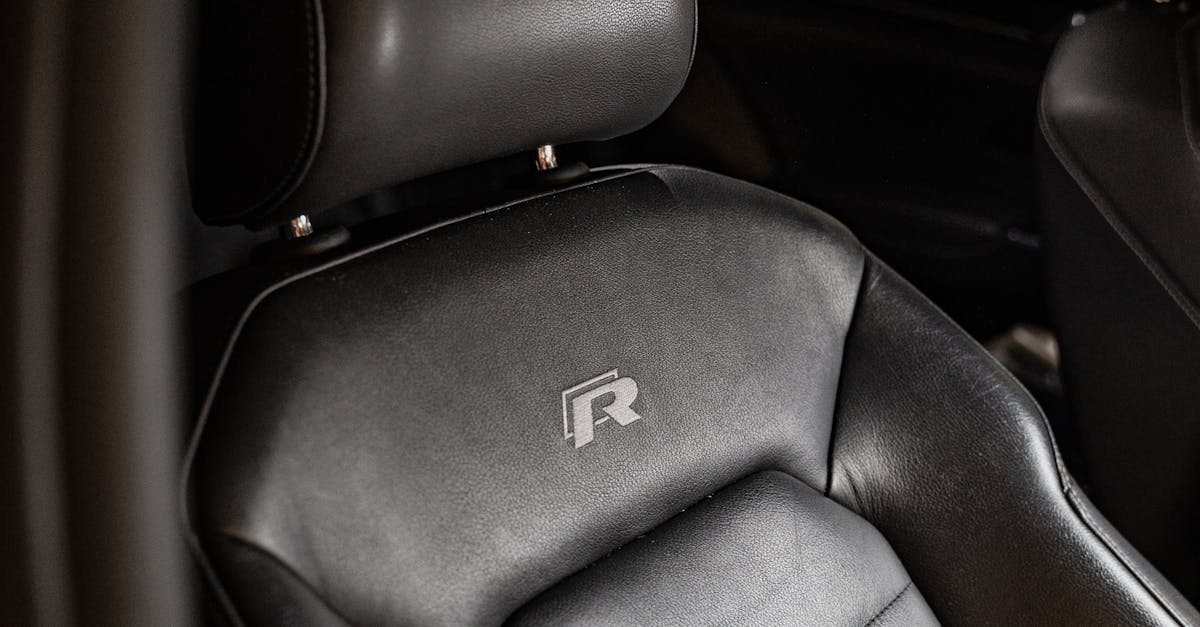
Table Of Contents
Vacuuming Vinyl Surfaces
Vinyl surfaces are common in many vehicles due to their durability and ease of maintenance. When vacuuming these surfaces, it is important to use an appropriate attachment, such as a soft brush or nozzle. This prevents scratches and ensures that dirt and debris are removed effectively. Regular vacuuming helps maintain the appearance of vinyl, preventing grime from building up over time.
Removing larger debris before vacuuming enhances efficiency. Pay attention to areas like seats, door panels, and floor mats, as they attract dust and crumbs. Adjusting the suction power on the vacuum can also aid in protecting the vinyl. A lower setting is often ideal for preventing any potential damage while still providing a thorough clean.
Steps to Avoid Damage
When vacuuming vinyl surfaces, it is essential to choose the right attachments to prevent scratches or scuffs. Always opt for a soft brush or a crevice tool designed for upholstery. These attachments help in effectively removing debris while minimising the risk of damage to the material's finish.
Be mindful of the vacuum’s suction power as well. Excessive force could potentially harm the texture of vinyl, especially if it is older or more pliable. Adjusting the vacuum settings to a lower suction mode can provide a safer, gentle cleaning experience that preserves the integrity of the vinyl surfaces.
Cleaning Dashboard and Console Areas
The dashboard and console areas in a car tend to accumulate dust and debris over time, which can impact both the aesthetic and functionality of these surfaces. To keep these areas clean, it is advisable to start by removing any loose items, such as personal belongings and rubbish. After clearing these surfaces, using a vacuum with a soft brush attachment can effectively pick up dirt without scratching delicate materials.
Pay attention to the spaces between the dashboard and windshield as well as around knobs and buttons. A crevice tool can be particularly useful for these tight spots. When vacuuming around electronic components, such as the centre console and infotainment system, it is important to use low suction settings to avoid any potential damage. Regular cleaning will help maintain the appearance and usability of the dashboard and console, ensuring a pleasant driving experience.
Vacuuming Techniques for Delicate Surfaces
Delicate surfaces in a car, such as leather and suede, require specific techniques to preserve their quality while vacuuming. Using a soft brush attachment can help to lift dirt and debris without causing scratches or damage. It’s essential to avoid using a standard vacuum nozzle, as its hardness may inadvertently scuff or tear these materials. When working on leather, keep the vacuuming speed slow and steady, allowing the brush to effectively dislodge any particles trapped in the grain.
For suede, extra care should be taken to prevent flattening the fibres. A handheld vacuum can be beneficial, as it allows for greater control and precision around edges and seams. It’s advisable to work in sections and use gentle strokes to avoid altering the surface texture. Regular maintenance with a vacuum not only enhances the appearance but also extends the lifespan of these delicate materials, ensuring they remain pristine over time.
Maintaining Air Vents and Crevices
Air vents and crevices in a vehicle can accumulate substantial dust and debris over time. Because these areas are often challenging to access, they require a specific approach to ensure effective cleaning. A narrow vacuum attachment can assist in sucking out particles from vents without causing any harm. It is essential to position the nozzle carefully to avoid damaging the plastic components surrounding the air vents.
For deep cleaning, using a soft brush attachment can be beneficial. This tool is gentle enough to dislodge stubborn dirt without scratching surfaces. In addition, a can of compressed air can help blow out dust from crevices that a vacuum might not reach. For optimal maintenance, regularly checking these hard-to-reach areas is recommended to prevent buildup and ensure a clean and fresh interior.
Tools for Hard-to-Reach Places
Obtaining the right tools is essential for effectively vacuuming hard-to-reach areas in your car. A crevice tool, typically included with most vacuum cleaners, is ideal for tackling narrow gaps around seats, along door frames, and between the centre console and front seats. This tool allows you to extract dirt and debris that often collects in these hidden areas, where standard vacuum attachments may not reach. A soft brush attachment can also be useful for gently dusting more delicate areas like air vents without causing damage to the surfaces.
In addition to the standard vacuum attachments, consider a handheld vacuum for added versatility. These models often provide the convenience of portability, allowing you to manoeuvre easily in tight spaces. Furthermore, using a nozzle extension can increase reach, making it simpler to target stubborn dirt lodged deep in corners or under seats. When equipped with these proper tools, cleaning inaccessible spots in your vehicle becomes more efficient and thorough.
FAQS
What are the best practices for vacuuming vinyl surfaces in my car?
When vacuuming vinyl surfaces, use a soft brush attachment to avoid scratching. Ensure to vacuum in the direction of any texture to pick up debris effectively without causing damage.
How can I clean the dashboard and console areas without scratching?
Use a microfibre cloth along with a brush attachment on your vacuum cleaner. Be gentle and avoid using abrasive tools that could scratch the surface.
What techniques should I use for vacuuming delicate surfaces in my car?
For delicate surfaces, such as leather or fabric, use a low-suction setting and a soft brush attachment. Lightly run the vacuum without applying too much pressure to avoid damage.
How do I maintain air vents and crevices when vacuuming?
To clean air vents and crevices, use a narrow nozzle attachment for precision. You can also use a small brush or compressed air to dislodge debris before vacuuming.
What tools are recommended for vacuuming hard-to-reach places in my car?
A vacuum cleaner with flexible hose attachments, crevice tools, and soft brush heads are ideal for reaching tight spots. Additionally, a detailing brush can help dislodge dirt and debris before vacuuming.
Related Links
Maintaining Your Vacuum for Optimal Car Interior CleaningChoosing the Right Vacuum for Detailing Your Car in Sydney
Seasonal Vacuuming Techniques for Car Interior Care
How to Achieve a Thorough Clean with Your Vacuum
Benefits of Using a Wet-Dry Vacuum for Car Detailing
Vacuuming Tips for Hard-to-Reach Areas in Your Vehicle