Eco-friendly Leather Conditioning Solutions for Car Interiors
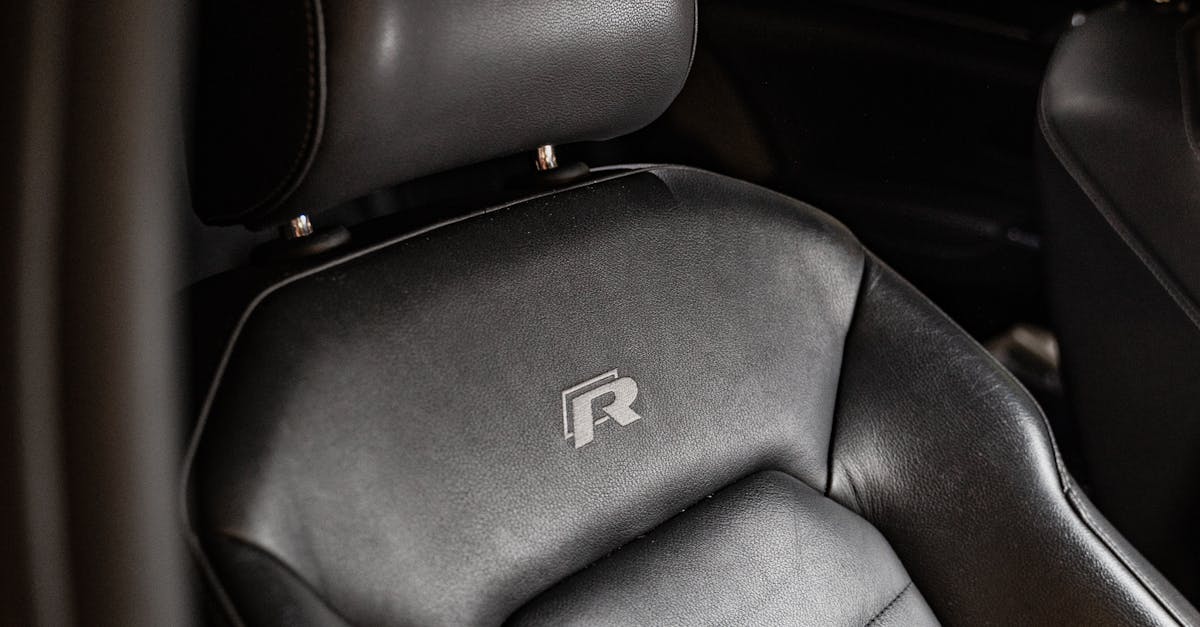
Table Of Contents
Maintaining Leather Car Interiors
Leather car interiors require consistent care to ensure their longevity and visual appeal. Regular cleaning helps prevent dirt and grime buildup, which can lead to discolouration and cracking. Using a soft, damp cloth to wipe surfaces removes dust and residue without causing damage. It's also important to regularly vacuum seats to remove any debris that may get embedded in the leather's grain.
To maintain the suppleness of the leather, conditioning should be part of the routine care regime. Applying a suitable conditioner every few months keeps the leather hydrated and prevents it from drying out. Choosing products specifically formulated for automotive leather is essential, as these are designed to withstand the unique conditions found within a vehicle, including heat and exposure to sunlight.
Best Practices for Long-lasting Care
Regular cleaning is crucial for maintaining the appearance and longevity of leather car interiors. Dust and dirt can accumulate over time, leading to potential damage. Use a soft, damp cloth to gently wipe surfaces, ensuring that you remove any debris without scratching the leather. Opt for a pH-balanced cleaner specifically designed for leather to help lift stains without compromising the material.
Proper conditioning plays an essential role in preserving leather. Using a high-quality, eco-friendly conditioner every few months can keep the leather supple and prevent it from drying out or cracking. Always test any product on a discreet area first to ensure compatibility with your leather type. Avoid excess water and harsh chemicals, as these can cause irreparable harm, leading to costly repairs or premature replacement.
Environmental Impact of Traditional Leather Care Products
Traditional leather care products often contain harmful chemicals that can have significant negative effects on the environment. These substances, including solvents and artificial fragrances, may leach into waterways during manufacture or disposal. Such pollutants can disrupt local ecosystems, harming both aquatic life and vegetation. Additionally, the production processes for these products frequently involve high energy use and emissions, contributing to climate change.
The leather industry itself is notorious for its environmental footprint. Cattle farming requires vast amounts of land and water, leading to deforestation and resource depletion. The tanning process, crucial for preserving leather, typically relies on toxic chemicals that pose further environmental hazards. As awareness of these issues grows, many consumers are seeking alternative solutions that minimise ecological damage while still effectively maintaining their car interiors.
Why Choose Eco-friendly Alternatives
Opting for eco-friendly leather conditioning solutions benefits both the environment and car owners. Traditional products often contain harmful chemicals that can contribute to pollution and negatively impact our health. Choosing sustainable options reduces the carbon footprint associated with manufacturing and transportation. These alternatives use natural ingredients that are less likely to cause harm to ecosystems.
Moreover, eco-friendly alternatives often provide superior conditioning properties without the risk of toxic residues. Many of these products are designed to nourish leather while preserving its texture and longevity. As consumers become more environmentally conscious, the demand for sustainable options grows. This shift encourages manufacturers to innovate, leading to better quality and more effective leather care products that align with eco-friendly values.
Popular Brands of Eco-friendly Leather Conditioners
Several brands stand out in the realm of eco-friendly leather conditioners. One notable option is Leather Honey, known for its natural ingredients and effective formula that nourishes and protects leather surfaces. Another strong contender is Eco Leather Conditioner, which utilises plant-based oils to ensure a deep clean and lasting softness. These products not only care for your leather but also uphold environmental standards, making them suitable for conscientious consumers.
Additionally, brands like Bickmore and Otter Wax offer conditioners that prioritise sustainability while delivering impressive results. Bickmore, with its Bick 4 Leather Conditioner, combines natural waxes for a supple finish. On the other hand, Otter Wax provides a complete treatment for leather goods, featuring an environmentally friendly formula that repels water and dirt. Each brand presents unique benefits, catering to those looking to maintain their car's interior while being mindful of their ecological footprint.
Leading Options in the Market
Several brands have emerged as leaders in eco-friendly leather conditioners, offering products that effectively nourish and protect leather without compromising environmental integrity. One notable option is the ‘Eco Leather Cleaner’ from the brand Leather Honey. This product is crafted from natural ingredients, ensuring that leather surfaces remain supple while being safe for both users and the planet. Another reputable name is ‘Murray Leather,’ which provides a conditioner made from plant-based oils. This formulation not only rejuvenates leather car interiors but is also biodegradable.
In addition to these, ‘Molly's Suds’ offers a unique leather conditioner that relies on organic and non-toxic ingredients. It caters to consumers looking for effective maintenance without the harmful chemicals found in traditional products. Another great option comes from ‘Kirkland Signature,’ which has developed a leather care kit containing eco-conscious solutions aimed at long-lasting protection. These products highlight the growing trend towards sustainability in automotive care and demonstrate that high-quality leather conditioning can align with environmental responsibility.
FAQS
What are eco-friendly leather conditioners?
Eco-friendly leather conditioners are products made from natural, sustainable ingredients that help nourish and protect leather without harming the environment.
How often should I condition my leather car interior?
It is generally recommended to condition your leather car interior every three to six months, but this may vary depending on factors like climate and usage.
Are eco-friendly leather conditioners as effective as traditional products?
Yes, eco-friendly leather conditioners can be just as effective as traditional products, often offering similar moisturising and protective benefits while being safer for the environment.
Can I make my own eco-friendly leather conditioner at home?
Yes, you can make your own eco-friendly leather conditioner using natural ingredients like beeswax, coconut oil, and vinegar, but be sure to research and follow a trusted recipe.
Will using eco-friendly leather conditioner disrupt the appearance of my car's interior?
No, when applied correctly, eco-friendly leather conditioners should enhance the appearance of your car's interior by keeping the leather supple and preventing cracks, without leaving harmful residues.
Related Links
Enhancing the Look of Your Leather with Professional ConditioningLeather Conditioning Techniques for Different Types of Leather
The Impact of Regular Conditioning on Leather Longevity
Choosing the Right Products for Leather Conditioning
Common Mistakes to Avoid When Conditioning Leather Upholstery
How Often Should You Condition Your Leather Car Interior?
Best Practices for Maintaining Leather in Australian Climates
The Benefits of Leather Conditioning for Your Vehicle's Interior
Step-by-Step Guide to Conditioning Leather Seats